
Presenter view · Math Behind Optical Illusions · Grades 5–8 · Math · 30 minutes

Geometry of Perspective

Classroom screen not open. Open it

Before you start

Materials

  • Rulers (one per student) and protractors (one per pair)
  • Graph paper for perspective drawing; pencils and erasers
  • Mini Museum Perception Lab: minimuseumproject.org/exhibitions/seeing-is-deceiving/illusions
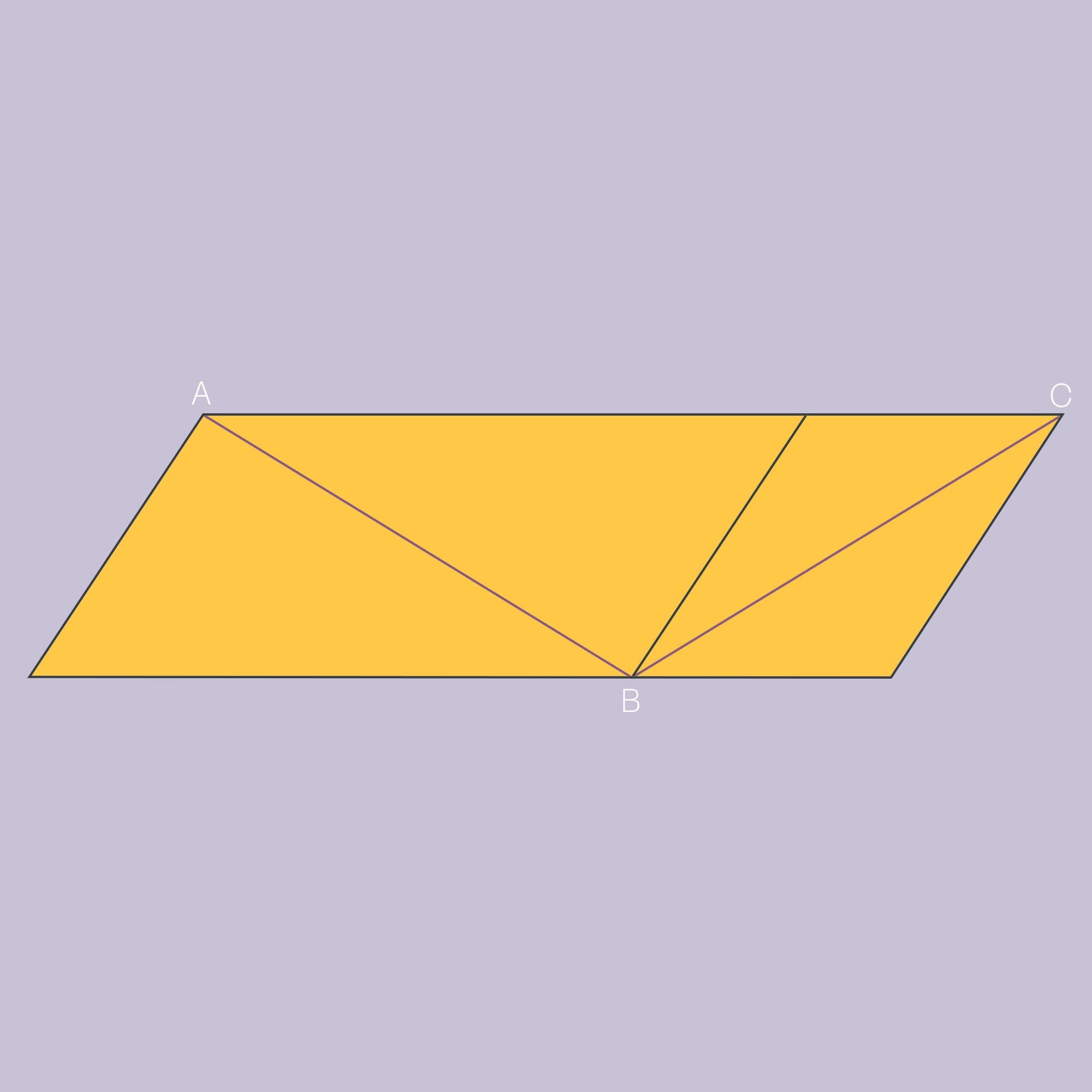
  • Recommended from Perception Lab: Müller-Lyer (#12), Ponzo Corridor (#10), Ponzo Railroad (#11), Sander Parallelogram (#17), Ebbinghaus Circles (#14)

On the classroom screen
MSeeing is DeceivingGeometry of Perspective

Lesson · Math Behind Optical Illusions · Grades 5–8 · Math · 30 minutes

Geometry of Perspective

Students will understand how mathematical principles including angles, ratios, and linear perspective create optical illusions, use measurement tools to prove visual deceptions, and apply one-point perspective to create their own mathematically-based illusion.

30minutes

Press Start when the class is ready

Hook 5 minDirect instruction 10 minActivity 12 minClosing 3 min

Up next

Your eyes vs. math 3 min

Display the Müller-Lyer illusion (two horizontal lines of equal length—one with fins flaring outward at both ends, >—<, and one with arrowheads, <—>).

Ready

30:00

Print

  • Green Level handout More Support (PDF, opens in a new tab)
  • Yellow Level handout Grade Level (PDF, opens in a new tab)
  • Red Level handout Go Deeper (PDF, opens in a new tab)
  • Poster 1 Projector mode (opens in a new tab)
  • Lesson plan Teacher (PDF, opens in a new tab)

→ next ← back Space pause · All lessons