Seeing is Deceiving · For teachers
Teach on screen
Put the lesson on the classroom projector and press Start. The class sees one calm step at a time; your script, the clock and the handouts stay on your laptop in presenter view.
PreK–K · 20 minutes · General / Homeroom
My Eyes Can Trick Me!
Students will understand that their eyes and brain can sometimes see things differently than they actually are, and that it’s okay to check and ask questions.
Looking Closer at What We See · Grades 1–2 · 25 minutes · General / Homeroom
Brain Detective
Students will learn that their brains make predictions about what they see, and will practice the skill of checking their assumptions before deciding.
How to Know What’s Real · Grades 3–4 · 30 minutes · General / Homeroom
Fact-Checkers
Students will understand that optical illusions demonstrate how easily our eyes and brains can be deceived, and will develop and apply five practical strategies for verifying information before believing or sharing it.
The Science of Seeing · Grades 5–8 · Science · 30 minutes
How Vision Works
Students will understand the basic anatomy of the eye, explain how the brain processes visual information, and analyze why specific optical illusions exploit limitations in the visual system.
Visual and Written Evidence · Grades 5–8 · ELA · 30 minutes
Evaluating Sources
Students will evaluate the credibility of visual and written sources using the CRAAP test, identify indicators of bias, and distinguish between primary and secondary sources in order to become more discerning consumers of information.
Grades 5–8 · Social Studies · 30 minutes
Visual Propaganda Through History
Students will analyze how visual manipulation has been used to influence public opinion throughout history, identify six common propaganda techniques, and apply critical analysis skills to both historical and contemporary examples.

Art Meets Science · Grades 5–8 · Art · 30 minutes
Creating Optical Illusions
Students will analyze how artists use perspective, color theory, and pattern to create optical illusions, study examples from the Op Art movement and M.C. Escher, and create their own optical illusion artwork.
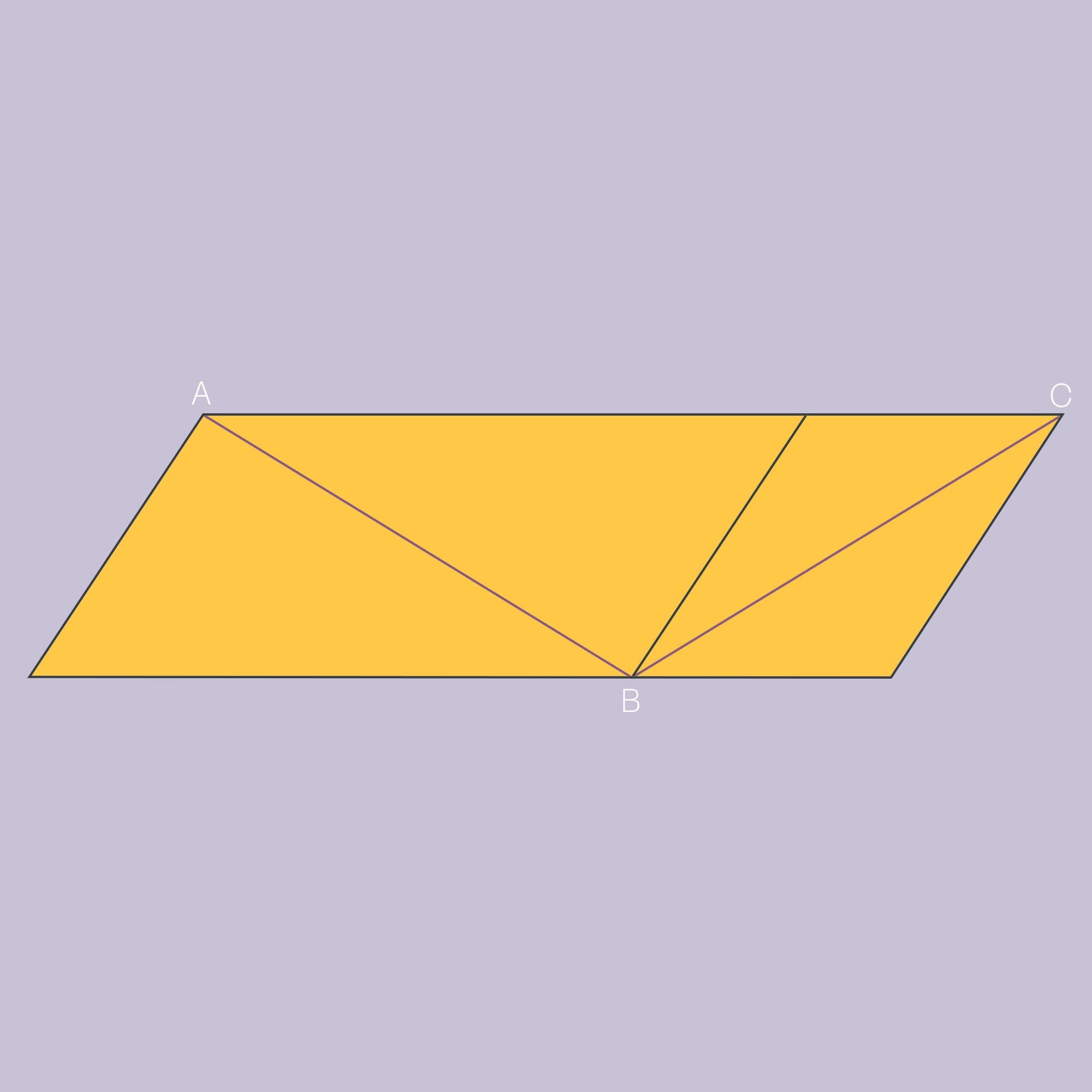
Math Behind Optical Illusions · Grades 5–8 · Math · 30 minutes
Geometry of Perspective
Students will understand how mathematical principles including angles, ratios, and linear perspective create optical illusions, use measurement tools to prove visual deceptions, and apply one-point perspective to create their own mathematically-based illusion.

How Your Eyes Affect Performance · Grades 5–8 · PE · 25 minutes
Vision and Athletics
Students will understand how visual perception directly affects athletic performance, experience how depth perception and peripheral vision impact sports skills, and practice drills that improve hand-eye coordination and visual reaction time.

Faith and Truth in a World of Deception · Grades 5–8 · Religion · 30 minutes
Bearing True Witness
Students will understand how the Eighth Commandment applies to modern challenges including deepfakes and misinformation, recognize that bearing true witness requires both careful verification and moral courage, and create a personal commitment to truth-telling.
Truth or Lie? · Grades 5–8 · Spanish · 30 minutes
¿Verdad o Mentira?
Students will acquire vocabulary related to truth/deception (verdad, mentira, real, falso, creer, ver), practice expressing opinions using “Creo que…” and “Pienso que…”, and connect language learning to critical thinking about visual media.
Theater’s Willing Deception · Grades 5–8 · Theater · 30 minutes
The Art of Illusion
Students will understand the concept of “suspension of disbelief,” analyze theatrical techniques that create believable illusions, and explore the ethical difference between theatrical illusion (consensual) and deception (non-consensual).
When Your Ears Deceive You · Grades 5–8 · Music · 30 minutes
Sound Illusions
Students will experience auditory illusions firsthand, analyze how music and sound manipulate emotions, and connect sound deception to visual deception explored in the Mini Museum exhibition.