
Presenter view · Art Meets Science · Grades 5–8 · Art · 30 minutes

Creating Optical Illusions

Classroom screen not open. Open it

Before you start

Materials

  • White drawing paper, rulers, compasses, pencils, erasers
  • Colored pencils, markers, or fine-tip pens
  • Examples: M.C. Escher works (Waterfall, Ascending and Descending, Relativity)
  • Examples: Op Art (Bridget Riley, Victor Vasarely)
  • Mini Museum Perception Lab: minimuseumproject.org/exhibitions/seeing-is-deceiving/illusions
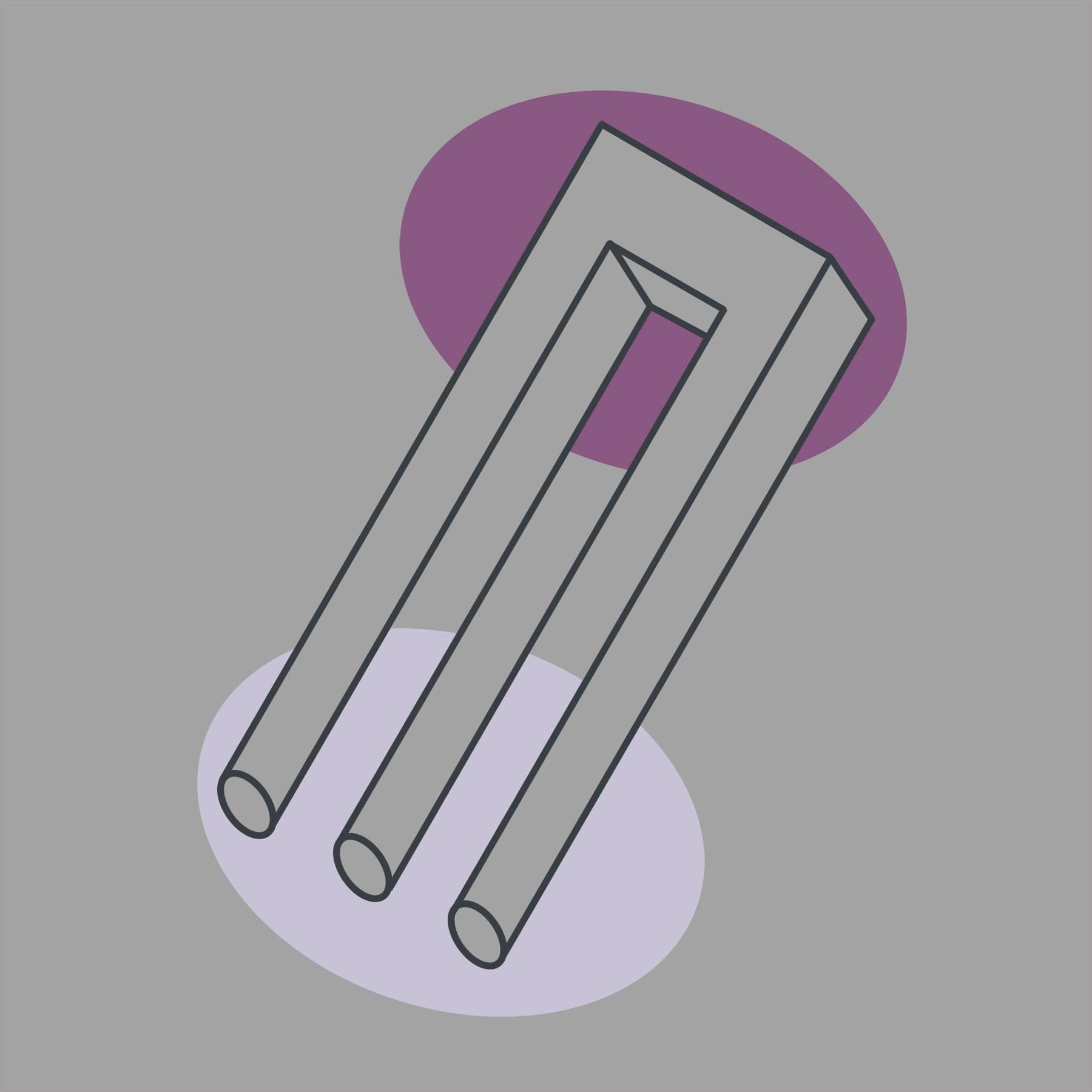
  • Recommended from Perception Lab: Impossible Trident (#15), Café Wall (#6), Fraser Spiral (#5), Bulging Grid (#7)

On the classroom screen
MSeeing is DeceivingCreating Optical Illusions

Lesson · Art Meets Science · Grades 5–8 · Art · 30 minutes

Creating Optical Illusions

Students will analyze how artists use perspective, color theory, and pattern to create optical illusions, study examples from the Op Art movement and M.C. Escher, and create their own optical illusion artwork.

30minutes

Press Start when the class is ready

Hook 5 minDirect instruction 10 minActivity 12 minClosing 3 min

Up next

Trace the water 3 min

Display M.C. Escher’s Waterfall (water appears to flow uphill in an impossible loop).

Ready

30:00

Print

  • Green Level handout More Support (PDF, opens in a new tab)
  • Yellow Level handout Grade Level (PDF, opens in a new tab)
  • Red Level handout Go Deeper (PDF, opens in a new tab)
  • Poster 1 Projector mode (opens in a new tab)
  • Lesson plan Teacher (PDF, opens in a new tab)

→ next ← back Space pause · All lessons