The Harlem Renaissance · For teachers
Teach on screen
Put the lesson on the classroom projector and press Start. The class sees one calm step at a time; your script, the clock and the handouts stay on your laptop in presenter view.
PreK–K · Homeroom / General
Music, Stories & Movement
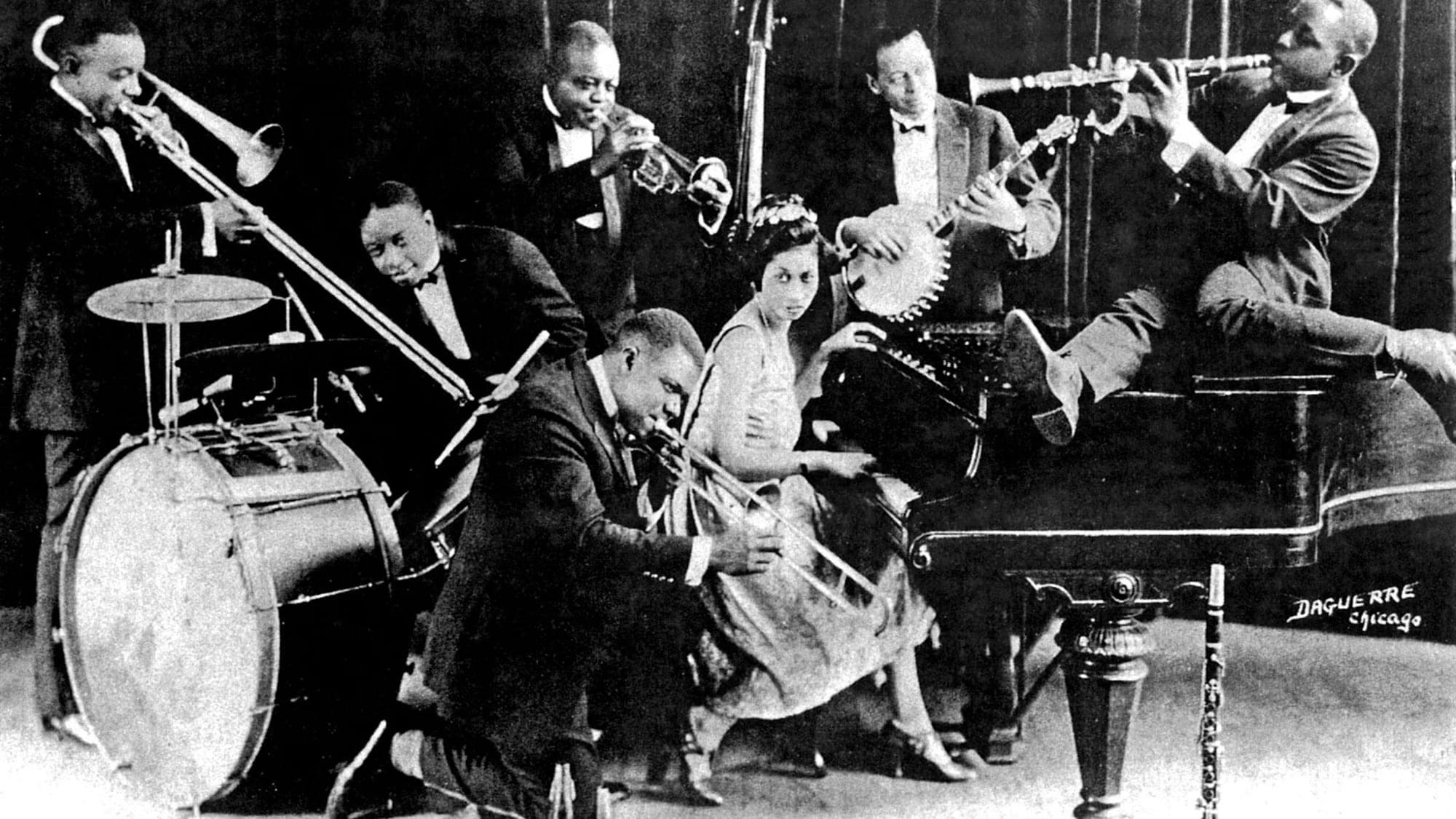
Children will discover that people can express their feelings and tell their stories through music, art, and movement. Through sound and guided imaginative play, they will be introduced to the idea that a group of Black artists and musicians in Harlem, New York, made something beautiful together a long time ago — and that their music still makes us want to move today.
Grades 1–2 · Homeroom / General
Stories of a Great Journey
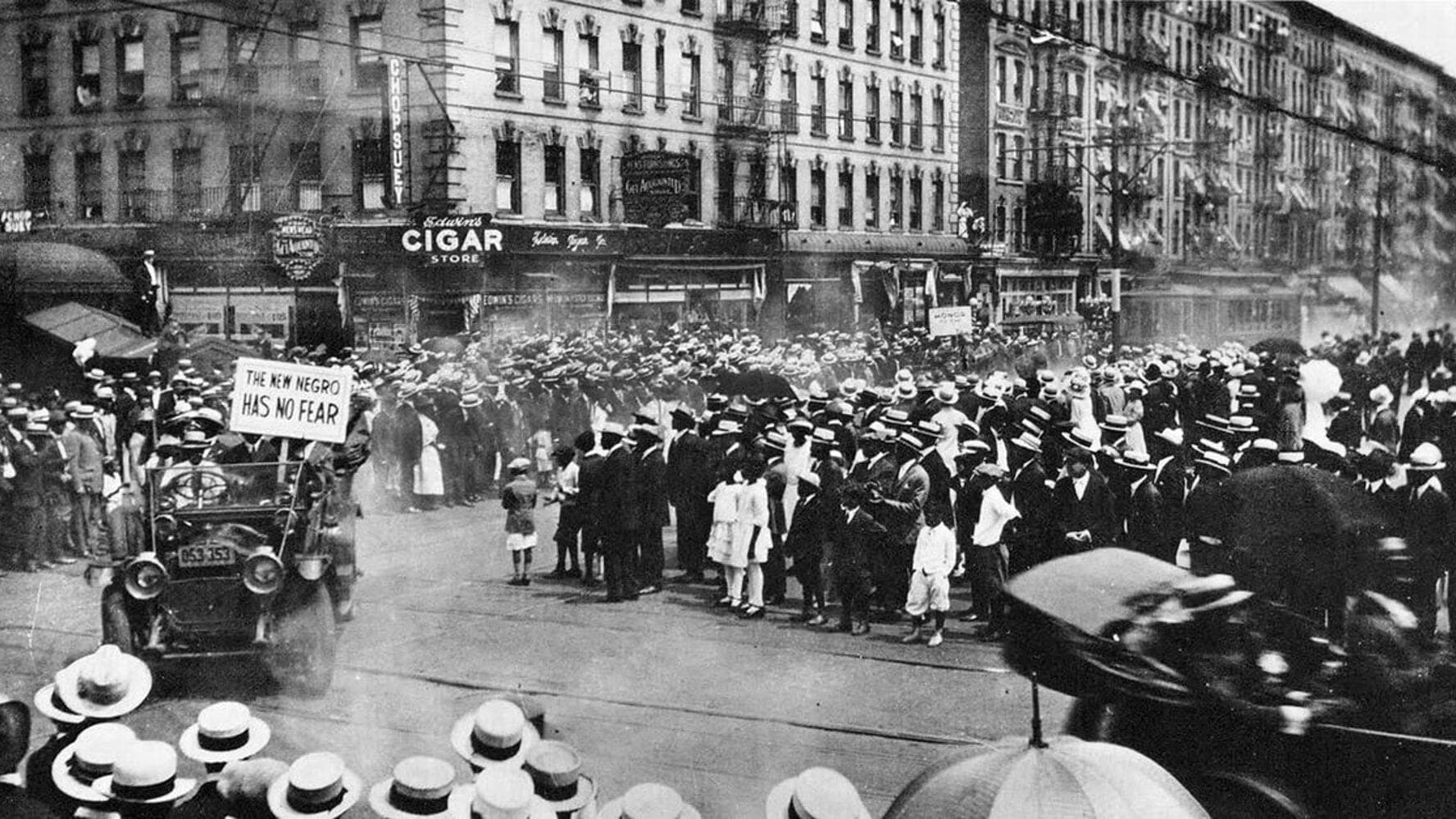
Students will learn that the Harlem Renaissance grew from the Great Migration — a great journey of Black families moving north — and that the people who made that journey created music, stories, and art that changed America. They will connect this to their own experiences of change and discover that ordinary people can do extraordinary things.
Grades 3–4 · Homeroom / General
Making Something New
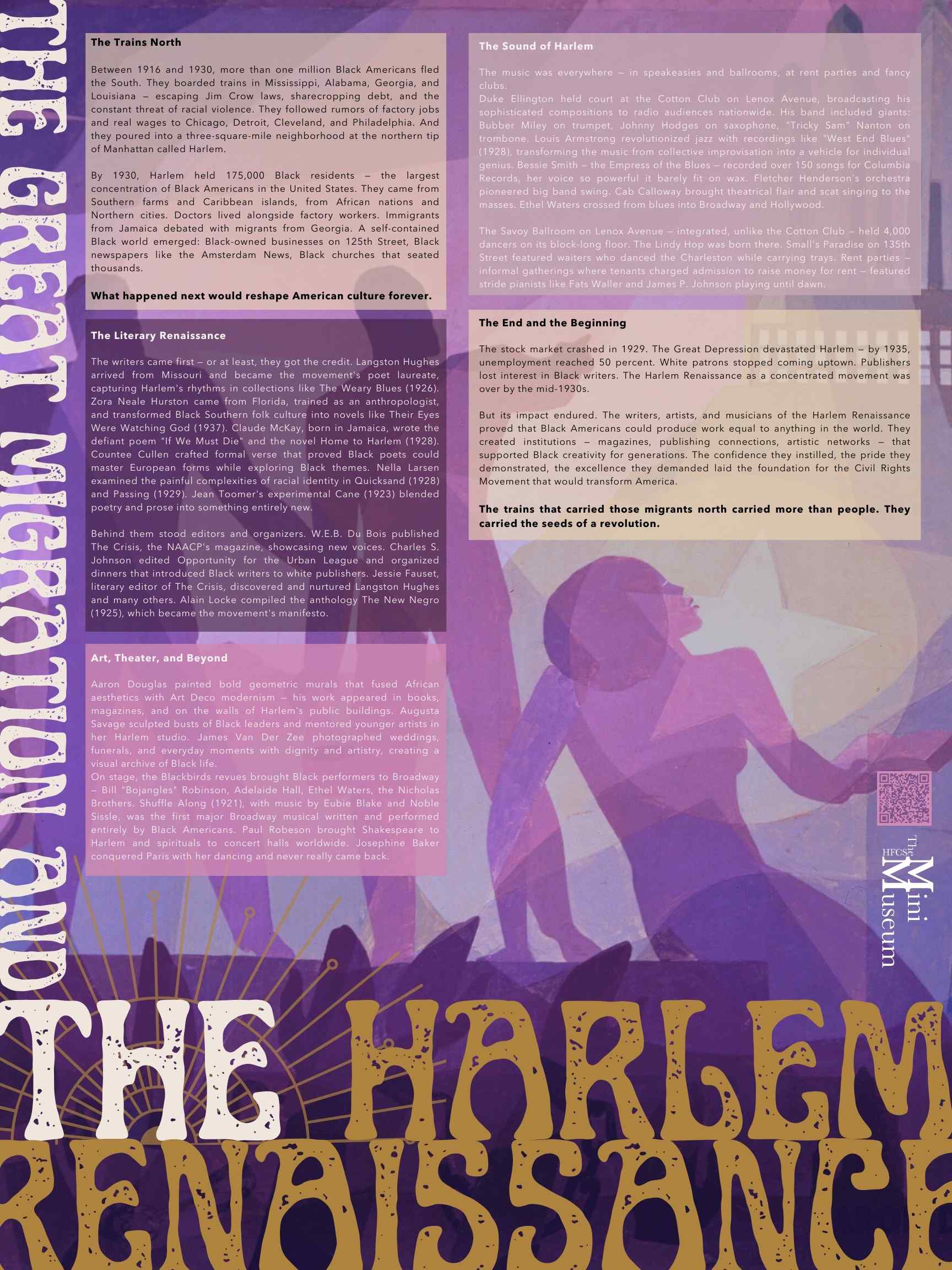
Students will understand that the Harlem Renaissance was a deliberate creative movement — that artists, writers, and musicians made a conscious choice to create something new and powerful in response to injustice. They will connect this to the idea of creative voice: that what you make can change how the world sees you. They will explore at least one Harlem Renaissance creative form through hands-on activity.
Grades 5–8 · Science
Rhythm, Sound & the Science of Music
Students will understand the physics of sound — frequency, amplitude, and resonance — through the lens of jazz and blues instruments. They will connect the science of how instruments produce sound to why different instruments have distinct timbres, and explore how the human ear and brain process music.
The Literature of the Harlem Renaissance · Grades 5–8 · ELA
Voice & Verse
Students will analyze the literary techniques of Harlem Renaissance writers, understand how writers used their craft as both art and activism, evaluate primary source texts as historical evidence, and develop their own voice in response to Renaissance themes.
Grades 5–8 · Social Studies
Why People Move: The Great Migration
Students will analyze the causes and consequences of the Great Migration (1910–1940), evaluate primary source evidence including maps, photographs, and personal testimonies, understand how demographic shifts shape culture and politics, and connect historical migration to present-day patterns of movement.
Grades 5–8 · Art · Aaron Douglas and the visual language of the Harlem Renaissance
Seeing in Silhouette
Students will analyze Aaron Douglas’s distinctive visual style — flat geometric silhouettes, layered concentric circles, African design influences, and deliberate use of color to evoke emotion and narrative. They will understand how formal art choices carry meaning and argument, and respond through their own silhouette composition or analytical writing.
Grades 5–8 · Mathematics · The Great Migration in data
Migration by Numbers
Students will use real Great Migration population data to practice percentage change, data interpretation, ratio and proportion, and graphical representation. They will understand that mathematics can reveal the scale of historical events — and that the numbers behind the Harlem Renaissance represent millions of individual human decisions.
Grades 5–8 · Physical Education · The Lindy Hop, the Charleston and the Savoy Ballroom
Move Like Harlem
Students will explore the physical vocabulary of Harlem Renaissance dance — the Lindy Hop, Charleston, and jazz movement — understanding these not as performance spectacle but as a form of cultural expression, community building, and joyful resistance. They will connect rhythmic movement to musical structure, develop coordination through partner and group patterns, and reflect on dance as embodied history.
Grades 5–8 · Religion
Created in God’s Image
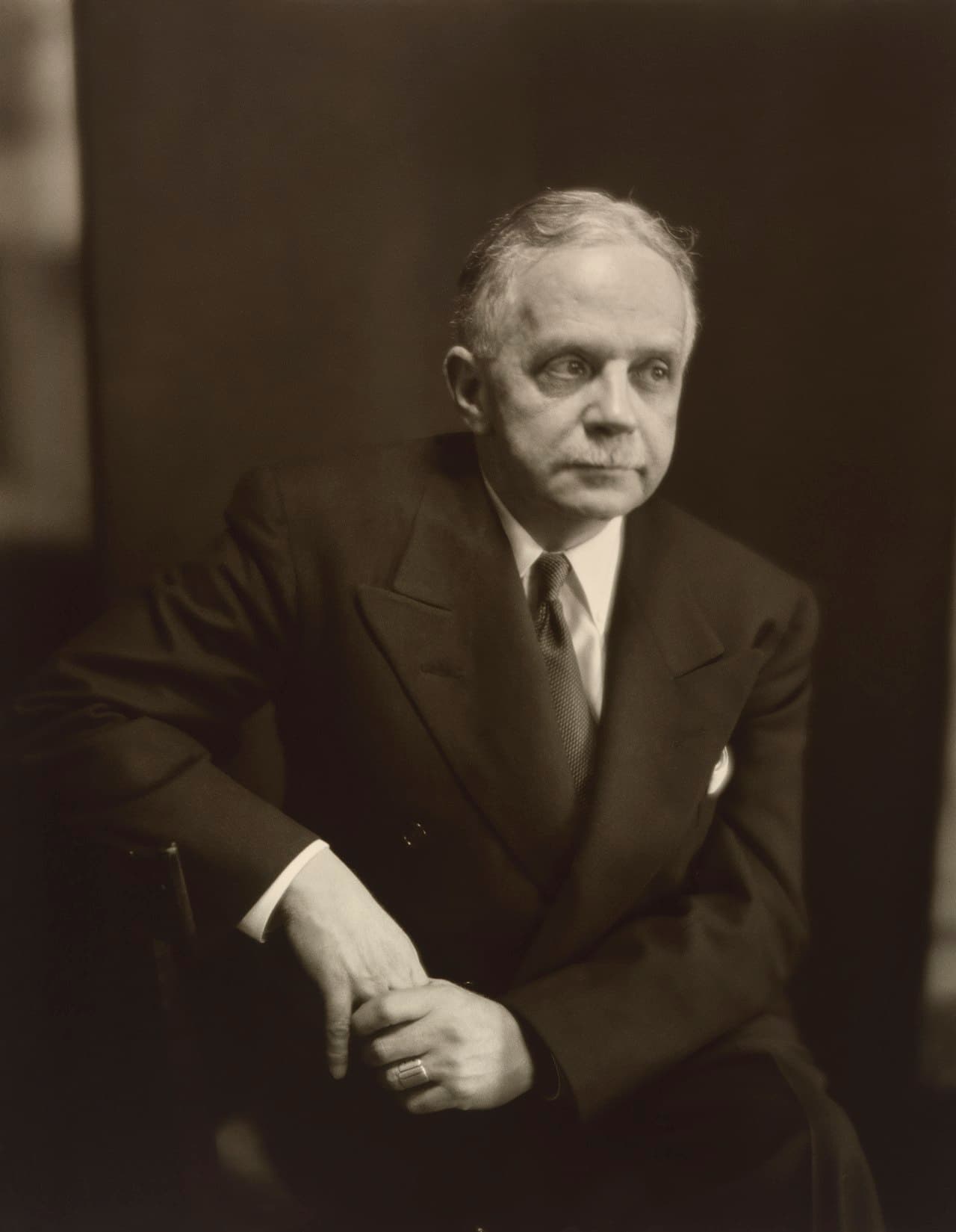
Students will explore how the Harlem Renaissance was a profound affirmation of human dignity rooted in the theological conviction that every person is made imago Dei — in the image and likeness of God. They will connect Catholic Social Teaching Principle 1 (Life and Dignity of the Human Person) to the cultural and artistic work of the Renaissance, and reflect on their own responsibility to affirm the dignity of others.
Grades 5–8 · Spanish
El Renacimiento de Harlem
Students will build Spanish vocabulary related to the Harlem Renaissance — art, music, culture, history, and human rights — while exploring the shared experience of the African diaspora across the Americas. They will practice vocabulary in context, discuss themes of cultural identity and expression in Spanish, and make connections between the Harlem Renaissance and Spanish-speaking Caribbean cultures (Afro-Cuban music, the Negrismo movement in Puerto Rico and Cuba).
Grades 5–8 · Theater
Voice, Body, Story
Students will explore storytelling, voice, and embodied performance through the lens of the Harlem Renaissance oral tradition — the spoken word, the blues shout, the preacher’s cadence. They will develop and perform a short monologue, scene, or spoken word piece rooted in a Harlem Renaissance character or theme, and reflect on how performance creates empathy and historical understanding that written text alone cannot.
Grades 5–8 · Music
The Sound of Harlem
Students will analyze the musical structures of Harlem Renaissance jazz and blues — call-and-response, the 12-bar blues form, improvisation, syncopation, and the role of the rhythm section. They will connect these structures to their African musical roots and understand how jazz was simultaneously a new American art form and a continuation of African musical traditions. Students will respond through structured listening, notation analysis, or original composition.